
Designing an Integrated Practice using the Map of the Five Koshas

*note – there are links to previous posts about the koshas below for your reference*

Moving towards the experience of yoga will always involve a bringing together, a yoking together, an integration. After journeying through an anatomical map like the koshas, there is benefit from integrating the information into our practice. Such integration brings individuality to our practice โ€“  no two people integrate ideas into their practice the same way. Consciously integrating the koshas into your practice will create your own beautiful personal yoga mosaic  –an array of harmonious proportions uniquely adapted  for your life.

The classic teachings of yoga โ€“ taken holistically – are an invitation to develop skillful means. To learn through practice to rein together the forces acting within and without –  to become artful and harmonious co-creators. A sustainable  and integrated practice is built on working with our practices in harmonious proportions. The advantage of a sustainable practice is longevity โ€“ it stays with us our whole lives. In classical yoga practice this is ideal as it provides an enhanced relationship to our bodies and lives through times of change. The golden ratio establishes harmony and ease. Itโ€™s about  a state of interrelationship  which -like architecture -brings strength and stability.  In sutra 2.46 of his Yoga Sutra, Patanjali calls this the stable joyful seat. (tr. The seat should be stable and joyful).
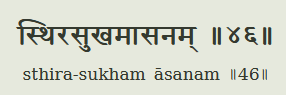
What does this have to do with the koshas? A practice designed to address each of the koshas will create a stable practice in which all dimensions of ourselves become integrated.

To do this, we can construct a chart of the practices we want to explore that will develop each of the koshas. These are practices to bring the other parts of yourself into your practice is deliberate way.

Then select practices for each kosha that you would like to develop at a given time. Then, decide how much of each is appropriate to start out with and adjust it based on your needs at a given time โ€“ maintaining the presence of all five. Examples โ€“ when I was teaching yoga full time  asana was 1.5 hours a day and everything else was 5-10 minutes a day โ€“ or once a week or month. Now, my life needs less physicality and more inner peace. I meditate 45 minutes and my asana practice is sometimes only 20 minutes. You know that the practice is out of balance by your experience of the koshas. So, if I try to do 1.5 hours a day of asana right now โ€“ my mind chatter increases dramatically. If I tried to do an hour of meditation in my teaching days, I would fall asleep. Now, meditating awakens me. Itโ€™s important to note that it also needs to be in proportion to your lifestyle.  When I worked in corporate America, I also needed very intense asana.

You will know you are succeeding in creating a harmonious balance if your practice is sustainable (meaning โ€“ you are able to fulfill the personal commitment you have made over time) โ€“ and you will experience the wondrous personal transformation that is the promise of yoga โ€“ and that will occur not only on your mat but also in your relationships, your work, your creativity your passion. 

Introduction to the Five Sheaths

The AnamayaKosha

The PranamayaKosha

The ManomayaKosha

The JnanamayaKosha

The AnandamayaKosha

If you would like to explore ways to work with the physical body to integrate the koshas, my associated newsletter will be posted on my facebook page for NatalieteachesYoga. To receive future newsletters with alternate approaches to what is shared in the blog post, please sign up below. I promise you will not receive marketing emails from me. These are designed to be educational.

Processingโ€ฆ
Success! You're on the list.

Digesting Trauma: The powerful medicine of Hatha Yoga

โ€œPTSD is the inability to forgetโ€ Dr. Ellen Kirschman 1

Yoga is the cessation of the fluctuations of the mind.  Patanjali Yoga Sutra 1.1

Yoga is the ability to digest and transform our thoughts, feelings, memories, experiences so that our clear and sacred selves will shine through. 

Yoga is the experience of peace that emerges when our afflictions have been overcome.

Yoga is the freedom that arises when our past has been processed and we are fully present.


Some experiences are very difficult to forget. If, at the moment of trauma, we are unable to fully process and digest what is happening, that experience can be held in the physical body (also identified as the “Food Body” or Anamayakosha in the yogic anatomy map known as the koshas) ย  Sometimes food and experiences are indigestible – uncomfortable, painful, difficult to absorb and process.โ€‚The blockage caused by the undigested matter can obstruct our access to the other dimensions of our being – our knowledge, wisdom and joy.โ€‚Through understanding this we can use our yoga practices to digest and healโ€‚traumatic memories stored in the physical body.

There is an inherent wisdom in the process of yoga practice.โ€‚ We can buzz along in our lives just fine, and then, one day the blockage becomes apparent and it’s time to heal it.โ€ƒ We’re not defective if we have issues.โ€‚It’s pretty normal to have a degree of trauma in the body.โ€‚Yoga is a fairly sophisticated method of dealing with the residue of trauma due to this potential for digestion and transformation.โ€‚We could just manage our symptoms.โ€‚But we are invited – in the deeper levels of yogic experience – to transform what was not processed into insight and wisdom.โ€‚It takes deep willingness, an open mind and considerable bravery.โ€‚But the rewards are ample.โ€‚

There are multiple approaches to processing trauma through our yoga practices.โ€‚We may be experiencing the impacts of the trauma on the psychological level, and our yoga practice restores equilibrium.โ€‚But going further -โ€‚by breathing and feeling and observing arising memories on the mat – if we are spacious enough – the memories are released from the physical body and new understandings of experiences awaken.โ€‚The experiences are digested.โ€‚We can use those same techniques in the presence of physical symptoms which can range from tightness to chronic misalignment to pain or acute injury.โ€‚Wise presence in yoga asanas can resolve physical trauma through wise practice.โ€ƒThis can be approached well by experimenting gently with specific postures that intuitively, or as a result of research and study, we believe will be related to the anatomical structures involved.

 As we use the tools of yoga to train ourselves to be calm, objective and present to reawakened memories of traumatic feelings and experiences, we mitigate the cycles of recurrence.  We move from the experience of being bombarded by the repetitions of memory and subconscious patterning to creating new relationships with the stories we have lived.  The charged quality of the memory becomes neutralized and laid to rest.   We may never โ€œforget itโ€ – but we can transform it into a tool for awakening, empowerment, deepening and opening to ourselves.

Just as digested food nourishes the cellular structure of the body, digested experiences nourish the stability and robustness of our neural landscape.  They transform the very mechanisms through which we understand the world.  We become less fragmented, less dissociated and more integrated.โ€‚We become whole.โ€‚In this way well-practiced yoga can be a powerful tool in the management and healing of PTSD. โ€‚Some tips for practice are:

  • Work with the quality of your breathing.โ€‚Begin with gentle but focused breath and explore how the different qualities of breath impact the physical experience of a posture.โ€‚Look for the quality of breath that is in effect when you feel a muscle release.
  • Work with the quality of your attention.โ€‚Begin with gentle but focused presence.โ€‚You can train specifically in this – take a posture and maintain your gentle receptive attention on the bones, the flesh, the skin.โ€‚The moment when a memory arises and you stay present rather than becoming lost in it is a power point for healing.
  • As you train in this way, it’s important to notice your reactions to the awakening of trauma in the body.โ€‚The most common reaction is to attempt to control it by pressing it down – psychologically, physically – a kind of powering through.โ€‚This will interfere with the release of stress pattern in the body.โ€‚Allowing is key to healing.โ€‚Assuming you are practicing with moderate intensity – you can practice staying present to discomfort.โ€‚Of course – don’t force.

.Through a carefully cultivated yoga practice we reintegrate the parts of ourselves that have been locked away through trauma.  No longer fractured in this way, we become whole, and the experience of PTSD can be transformed into a process of healing.  While the knowledge of the experience still remains, we are now no longer bound by it. 

  1. https://www.youtube.com/watch?v=IT40YKvLBTg โ†ฉ๏ธŽ

Each blog post is associated with a related newsletter with related commentary, suggested reading and maybe a song or two.โ€‚โ€‚You can find past newsletters (and the current one )on my Facebook page NatalieteachesYoga.โ€‚Sign up below to receive newsletters in your inbox. No marketing, I promise!โ€‚Just content that I hope will open your mind to deeper levels of yoga practice.โ€‚

Processingโ€ฆ
Success! You're on the list.